Worn With Love: Why the Piece You've Had Forever Is the Most Romantic Thing in Your Closet
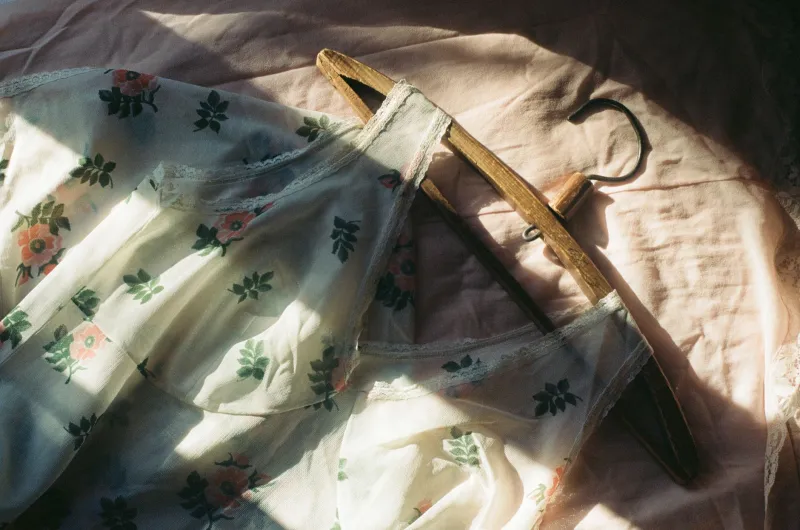
There's a sweater in the back of your closet. Maybe it's a heathered gray pullover, or a blush-toned cardigan you bought at a little boutique during a trip you still think about. The elbows are slightly thinned. There's a small snag near the hem that you keep meaning to fix. The color has softened from what it once was on the hanger.
You've never once considered throwing it away.
That sweater? It might just be the most romantic thing you own.
The Myth of the Perfect New Piece
We live in a culture that's obsessed with newness. A pristine tag, a crisp fold, that particular rustle of tissue paper when you open a box—there's no denying the thrill of it. Fashion media (yes, including the corner of the internet we happily occupy here at Peony Kiss) spends a lot of time celebrating what's fresh, what's new, what just arrived.
But here's the thing nobody talks about enough: newness is actually the beginning of a love story, not the whole story.
A brand-new piece is full of potential, sure. But it doesn't know you yet. It hasn't been there for the nervous first date, the lazy Sunday morning, the road trip where everything went sideways in the best way. It hasn't been washed so many times that it fits your body like it was made specifically for you—because, in a sense, it eventually is.
The most romantic garments in any wardrobe aren't the ones that still have their tags. They're the ones that stayed.
What Wear Actually Means
There's a Japanese concept called wabi-sabi—the art of finding beauty in imperfection and impermanence. A cracked glaze on a ceramic bowl. Moss growing over a stone path. The way a wooden table gets more beautiful as it absorbs the marks of years of meals and conversations.
Clothing works the same way, even if we don't always let ourselves see it.
The slight fade along the thighs of your favorite jeans isn't damage—it's a record of movement, of all the places those jeans have taken you. The softened neckline of a well-loved tee is the result of hundreds of mornings you reached for it first. The small iron mark on the back of a silk blouse you've owned since your twenties is a story, not a flaw.
When a piece of clothing shows its history, it becomes something more than fabric and thread. It becomes a document of your actual life.
The Intimacy of a Broken-In Fit
There's also something deeply physical about a garment that has conformed to your body over time. A leather belt that has stretched just enough. A pair of boots whose soles have molded to the exact shape of your stride. A blazer whose shoulders have relaxed into the precise slope of yours.
No stylist can create that fit. No amount of tailoring can fully replicate it. It only comes from time and wear—from the slow, almost imperceptible process of a garment learning you.
That kind of fit is intimate in the truest sense. It's clothing that has paid attention.
When you slip into a piece like that, there's an ease to it that no new purchase can match. You don't have to think about it. You don't have to adjust or tug or wonder if it looks right. It just does, because it has spent years figuring out exactly how to work with you.
Small Repairs as Acts of Devotion
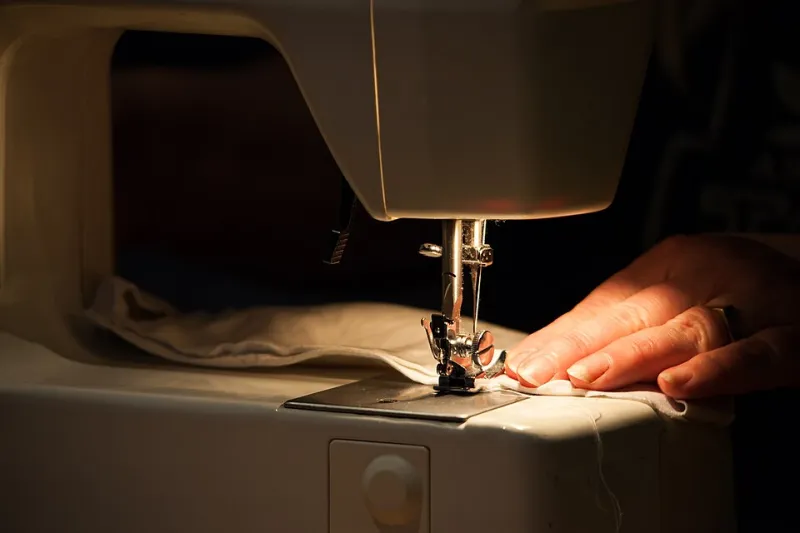
Let's talk about the mending. The little fixes—a replaced button, a restitched seam, a careful patch over a worn spot—that keep a beloved piece in your life a little longer.
There's something genuinely tender about deciding a piece is worth repairing. It's a declaration. It says: I'm not done with this yet. This still matters to me.
In a world of fast fashion and easy replacement, choosing to mend something is almost a radical act. It's also a deeply romantic one. You're investing in continuity, in the ongoing story of a garment that has become part of your personal history.
Even the visible repair—the visible stitch, the slightly mismatched thread—adds to the piece's character. It shows the garment has been cared for, not just used. There's a difference.
Why New Can't Compete With Lived-In
Here's what a shiny new designer piece, no matter how beautiful, cannot give you: history. Context. The particular emotional weight of a garment that has witnessed your life.
You can spend $800 on a cashmere coat and it will be gorgeous. But it won't know about the winter you wore your old wool coat to your grandmother's funeral and then out dancing three weeks later because she would have wanted that. It won't carry the specific memory of a November afternoon when you were wearing it and something shifted and you felt, suddenly and completely, like yourself.
That's not something you can buy. It's something you accumulate.
The most romantic wardrobes aren't built on acquisition. They're built on attachment—on the slow, meaningful accumulation of pieces that have genuinely been part of your story.
How to Honor Your Most-Worn Pieces
If this is making you look at your closet a little differently, good. Here are a few ways to celebrate the garments that have truly earned their place in your life:
Wear them intentionally. Don't save your most-loved pieces for some imaginary perfect occasion. Wear them on ordinary Tuesdays. Let them keep accumulating the small moments that make them meaningful.
Care for them properly. A piece you love deserves to be washed gently, stored thoughtfully, and repaired when needed. That's not fussiness—it's respect.
Resist the urge to replace them. When something starts to show wear, your first instinct might be to find a newer version. Pause before you do. Ask whether what you're looking for is really something new, or whether you're just not seeing the beauty in what you already have.
Let them style the new things. A well-worn piece can actually anchor an entire outfit. Pair it with something fresh and let the contrast tell a story—old and new, worn and crisp, history and possibility.
The Love Story You're Already Living
Every piece in your closet that you've held onto through multiple moves, multiple seasons, multiple versions of yourself is a love story in miniature. It survived the purges. It made the cut. Something kept pulling you back to it, even when it wasn't the most practical choice or the trendiest option.
That pull? That's intimacy. That's the quiet, unspoken bond between a woman and a garment that has genuinely been there for her.
The most romantic thing about personal style isn't the perfectly curated flat lay or the new-season piece you splurged on. It's the soft, faded, slightly imperfect thing you've been reaching for since forever—and the fact that after all this time, you still do.
Wear it with everything. It's earned it.