When Clothes Finally Fit You: The Quiet Magic of Getting Something Tailored
Most of us have a piece hanging in our closet that we love in theory but never actually wear. Maybe it's a blazer with shoulders that drift just a little too wide, or a pair of trousers that gap at the waist every time you sit down. You bought it because something about it called to you — the fabric, the color, the way it looked on the hanger. But somewhere between the dressing room and your real life, the fit got in the way.
Here's the thing nobody really talks about: the clothes were never the problem. The problem was that they were made for an imaginary body — a statistical average that doesn't belong to any one actual woman. And yet we spend years contorting ourselves around that fiction, tugging at hemlines and layering cardigans to hide what doesn't quite work, instead of asking a simple, radical question: what if the clothes adapted to me?
That question is what tailoring answers. And the answer, it turns out, feels a whole lot like being seen.
The Myth That Tailoring Is Only for Special Occasions
Somewhere along the way, many of us picked up the idea that alterations are reserved for wedding dresses and formal gowns — the big moments, the high-stakes outfits. Everything else, we assume, should just fit off the rack or get donated to the pile.
But that belief quietly costs us. It costs us the rust-colored silk blouse we bought on a whim and never wear because the sleeves are an inch too long. It costs us the perfectly cut wool coat that makes our waist disappear instead of celebrating it. It costs us the jeans that fit everywhere except the gap that forms at the back waistband every single time.
Alterations for everyday pieces are genuinely common — and genuinely affordable. Hemming a pair of pants typically runs between $10 and $25. Taking in a blouse at the sides, maybe $15 to $30. These are not prohibitive numbers. What's actually prohibitive is the mental model that says your ordinary clothes aren't worth the investment.
They are. You are.
What Happens When Something Actually Fits
Jamie, a 34-year-old marketing director in Chicago, had been buying the same style of button-down shirts for years — always slightly too boxy through the torso, always worn untucked to compensate. After a friend suggested she try getting one altered, she brought a linen shirt to a local tailor and had it taken in at the sides and shortened slightly.
"I put it on after and genuinely stood in front of the mirror for like five minutes," she says. "It looked like a completely different shirt. But more than that, I looked like a completely different version of myself — like the version I had in my head when I bought it."
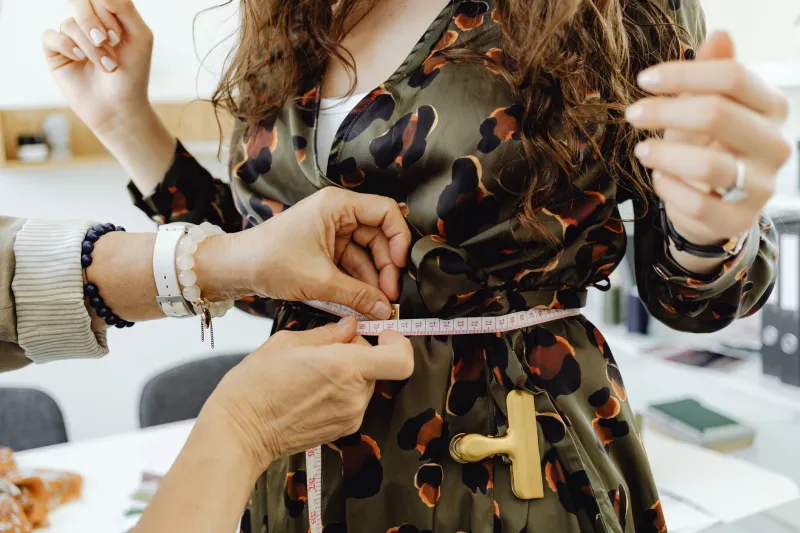
That experience — of finally matching the mental image you carried into the dressing room — is something tailoring can reliably deliver in a way that off-the-rack shopping rarely does. Because a tailor isn't working from a size chart. They're working from you.
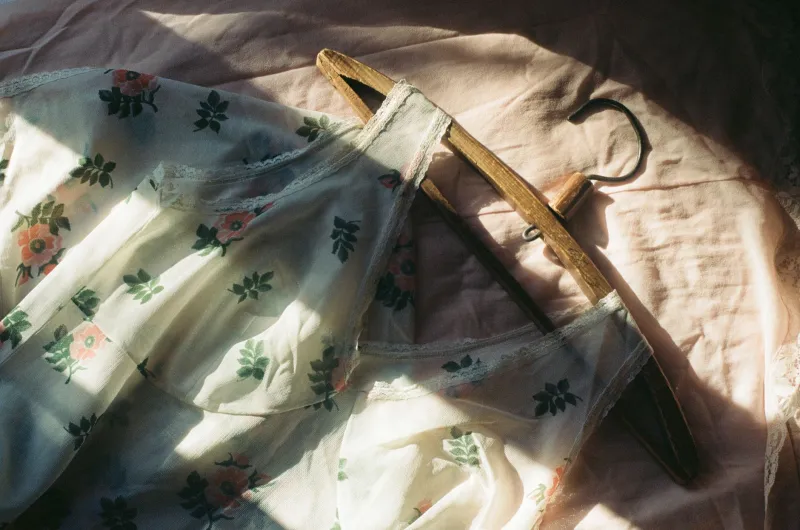
Marissa, a 41-year-old teacher in Atlanta, describes a similar turning point with a vintage dress she found at an estate sale. The silhouette was stunning, but the original owner had been built differently in the shoulders and bust. Rather than letting it hang unworn, Marissa brought it to a seamstress who restructured the bodice entirely.
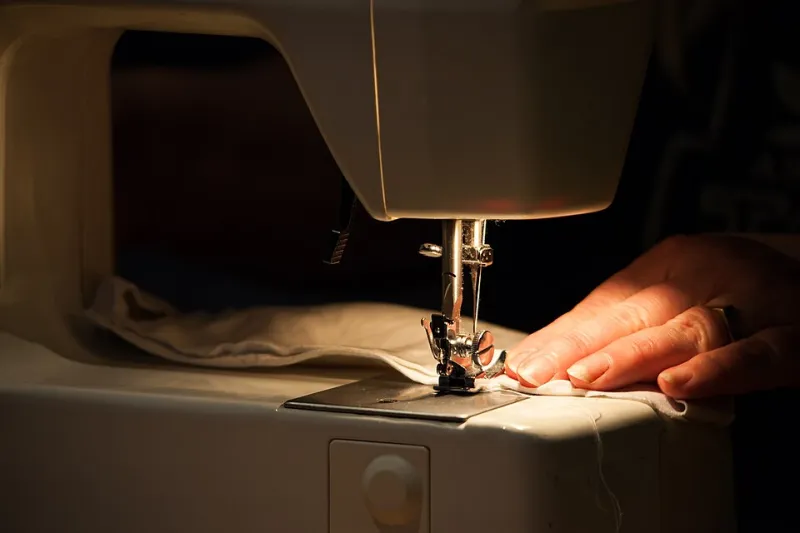
"That dress became my most-worn piece for two years straight," she says. "People always asked where I got it. I'd say, 'A dead woman's closet and a very talented woman with a sewing machine.' It felt like the dress had finally found its person."
The Emotional Arithmetic of a Perfect Fit
There's something quietly profound about the decision to alter a piece of clothing. It's an act that says: I am not going to keep waiting for a body that fits the clothes. I am going to make the clothes fit the body I actually have, right now, today.
For a lot of women, that shift in thinking is bigger than it sounds. We are so accustomed to treating our bodies as the variable — the thing that needs to change, shrink, or be managed — that choosing to treat the clothing as the variable instead can feel almost subversive. It's a small act with a surprisingly large emotional echo.
Tailoring is, in this way, a form of self-respect made physical. It says that your time and your confidence are worth a trip to the tailor. It says that the clothes exist to serve you, not the other way around. And in a culture that has spent decades telling women to aspire to sample sizes and standardized shapes, that's not a small thing to say.
How to Start (Even If You've Never Been to a Tailor Before)
If the idea of walking into a tailor's shop feels intimidating, you're not alone. It can feel like an unfamiliar ritual, full of unspoken rules you don't know. But it's genuinely more approachable than it seems.
Start with one piece you already love but don't wear. Not something you're on the fence about — something you genuinely like but that has a specific fit issue. That specificity makes the conversation with a tailor much easier.
Be honest about what bothers you. Tailors are not there to judge you; they're there to solve a puzzle. Saying "this gaps at the waist" or "the hem hits at a really unflattering spot on my calf" gives them exactly what they need.
Ask for recommendations. Word of mouth is still the best way to find a good local tailor. Ask friends, check neighborhood Facebook groups, or look at reviews specifically mentioning the type of alteration you need. A tailor who's brilliant with denim might not be the right fit for delicate silk.
Think beyond hems. Shortening sleeves, adjusting necklines, restructuring shoulders, taking in side seams, adding darts for shape — there's a wide world of alterations beyond the basic hem. Once you start thinking about what's possible, you'll start seeing your existing wardrobe differently.
The Romance in Being Fitted
There's something almost old-fashioned about tailoring, in the best possible way. It belongs to an era when clothing was made to last and made to fit — when the relationship between a woman and her wardrobe was more considered, more deliberate, more personal.
At Peony Kiss, we're drawn to the idea that getting dressed is an act of self-expression, and that the most romantic wardrobes are the ones that feel intentional. Tailoring is intention made tangible. It's the moment fashion stops being something you chase and becomes something that meets you where you are.
Your body isn't a problem to be solved. It's the whole point. And when your clothes finally understand that, everything changes.